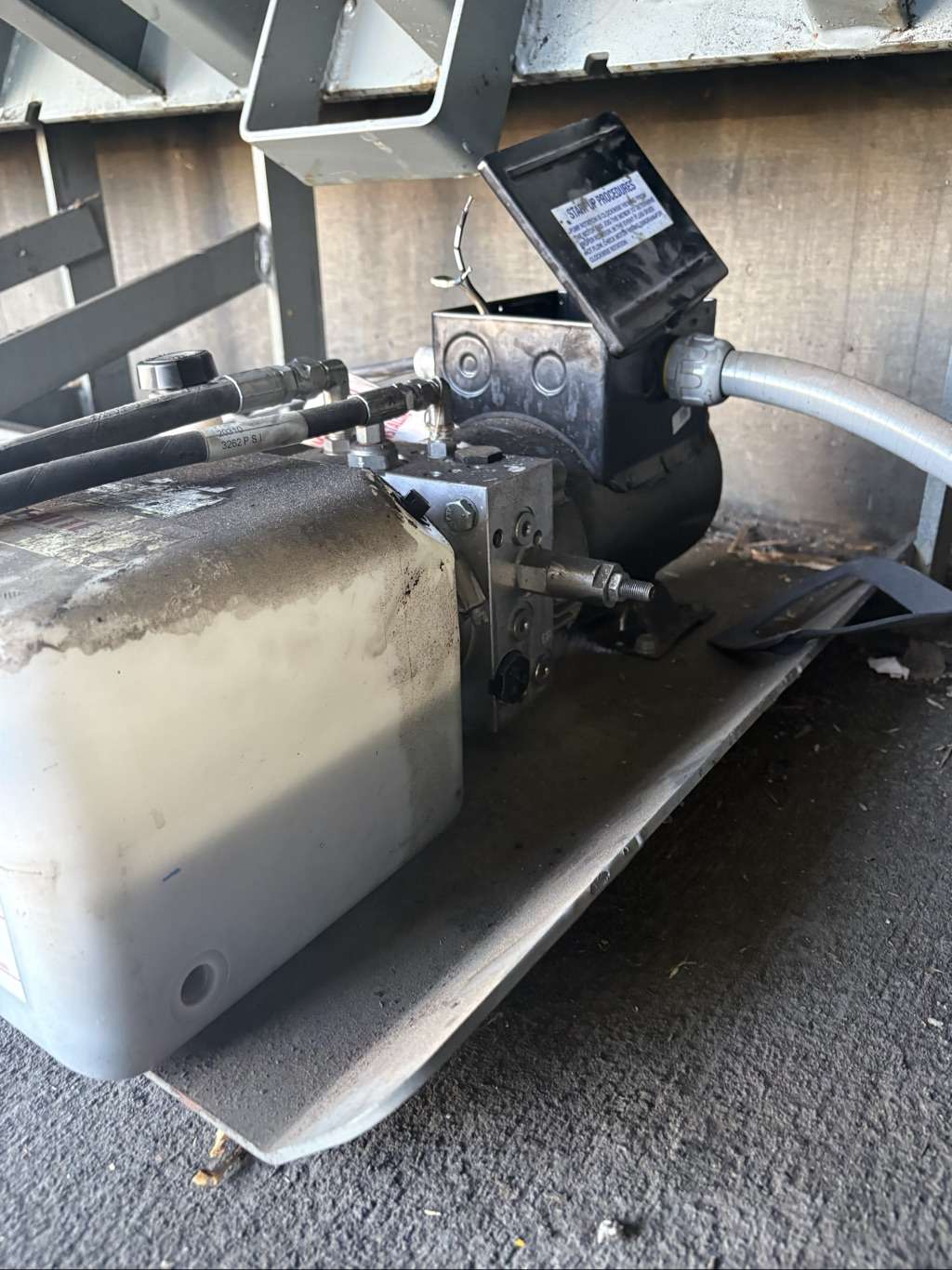
Dock Down, Production at Risk: Hydraulic Pump Failure Resolved in Half a Day — Santa Fe Springs, CA
When Dock #6 stopped working at a food & beverage facility in Santa Fe Springs, CA, shipping and receiving stalled and production was at risk. InSev Tech ran a structured diagnosis, tested the solenoids on Dock #6 and Dock #4 to rule them out, traced the root cause to a failed electric hydraulic pump, replaced the pump, and returned the dock to service within half a day.
The Customer's Challenge
Shipping and receiving stalled. With the dock out of service, trucks could not be reliably loaded or unloaded at that door, backing up outbound orders and inbound materials.
Production under pressure. Constrained dock capacity puts the whole flow at risk, from receiving ingredients and packaging to staging finished product for pickup.
Time-sensitive product. Food and beverage goods are often perishable or temperature-sensitive, so every hour of delay raises the risk of quality issues and waste.
Carrier delays and added cost. Waiting trucks and missed delivery windows can lead to rescheduling, detention charges, and unhappy customers downstream.
Safety exposure. Working around a malfunctioning dock with improvised handling raises the risk of incidents for dock crews and drivers.
No time for guesswork. The customer needed a fast, accurate answer, not a trial-and-error parts swap.
Our Response
- 1
Assess. Reviewed the Dock #6 symptoms with the site contact and inspected the dock and its hydraulic power unit.
- 2
Secure access. Safely propped the dock open with a forklift so testing could be carried out.
- 3
Isolate the cause. Removed the solenoids from both Dock #6 and Dock #4 and tested each one to determine whether either component was faulty.
- 4
Confirm the root cause. Both solenoids were intact and functioning properly, which ruled them out and pointed to the electric pump.
- 5
Repair and restore. Replaced the electric pump, verified dock operation, and returned Dock #6 to service.
Findings
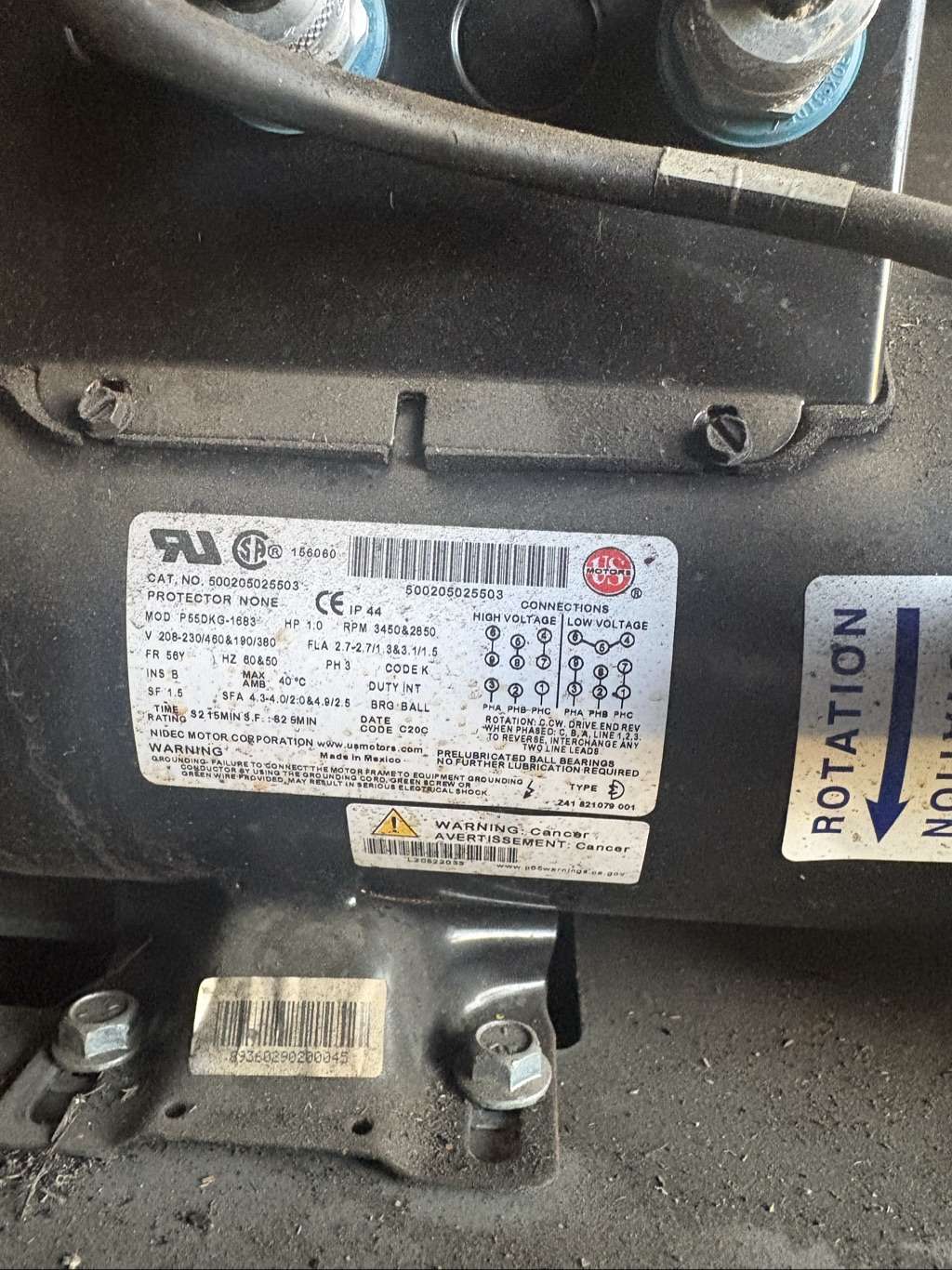
Both solenoids passed inspection and testing. The root cause of the Dock #6 issue was a defective electric pump, which had to be replaced to restore proper dock operation. The pump motor nameplate was photographed and documented (1 HP, three-phase, 208–230/460 V, 60 Hz) so the replacement could be matched to the existing unit.
The Result
Back in service the same day. The repair was completed within half a day, and Dock #6 was fully operational again.
Production resumed. The customer's shipping and receiving returned to normal, minimizing disruption.
No unnecessary parts. Testing the solenoids first meant working components were not replaced, saving the customer cost and time.
Why It Matters
A dock failure rarely stays a dock problem. Methodical diagnosis finds the true cause quickly, avoids replacing parts that are not at fault, and gets operations moving again. For facilities that depend on their docks every day, regular inspection of hydraulic units, hoses, fluid levels, and electrical connections helps catch issues before they stop the line.
Service Details
- Location
- Santa Fe Springs, CA
- Industry
- Food & Beverage
- Equipment
- Hydraulic dock (Dock #6) and its electric hydraulic power unit
- Root cause
- Failed electric hydraulic pump
- Solution
- Pump replaced and dock returned to service
- Time on site
- Completed within half a day; production resumed
Project Gallery
Frequently Asked Questions
What are the signs of a failing hydraulic dock leveler pump?
The dock will not raise, raises slowly, or stalls while the motor runs or hums. Because solenoids, wiring, and fluid can cause similar symptoms, each should be tested before the pump is replaced.
Why test the solenoids before replacing the pump?
Testing working components first rules them out, so the customer does not pay for parts that are not at fault. Here, both solenoids passed testing, which pointed to the electric pump.
How long does a hydraulic dock pump replacement take?
On this job, diagnosis and pump replacement were completed within half a day, and Dock #6 returned to service the same day.
How do you make sure the replacement pump matches?
We photograph and document the pump motor nameplate — on this unit 1 HP, three-phase, 208–230/460 V, 60 Hz — so the replacement matches the existing hydraulic power unit.
How can we prevent hydraulic dock failures?
Regular inspection of hydraulic units, hoses, fluid levels, and electrical connections helps catch issues before they stop the line. A preventive maintenance program schedules these checks for every dock position.